New World
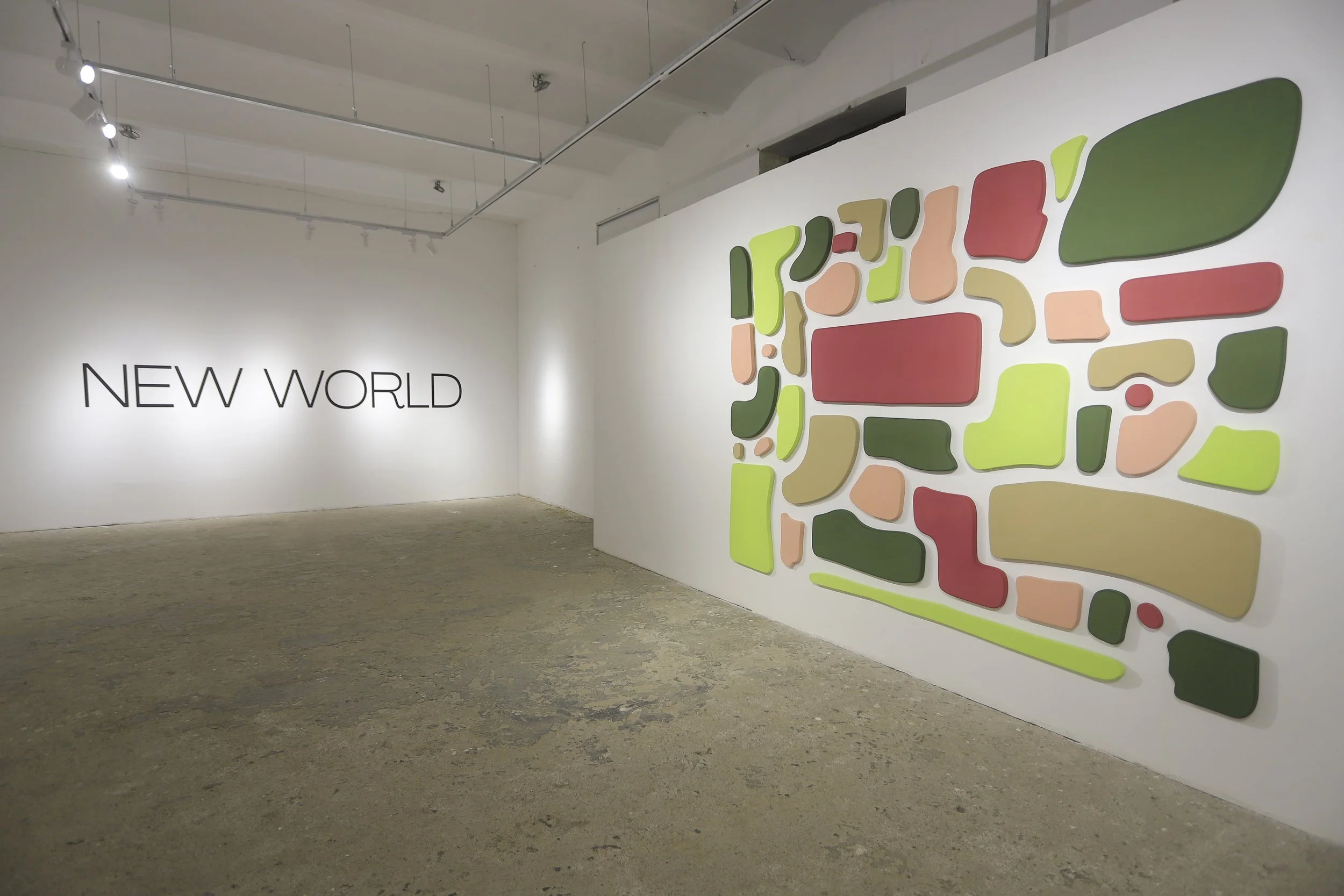
Reflector Gallery, Užice, 2022
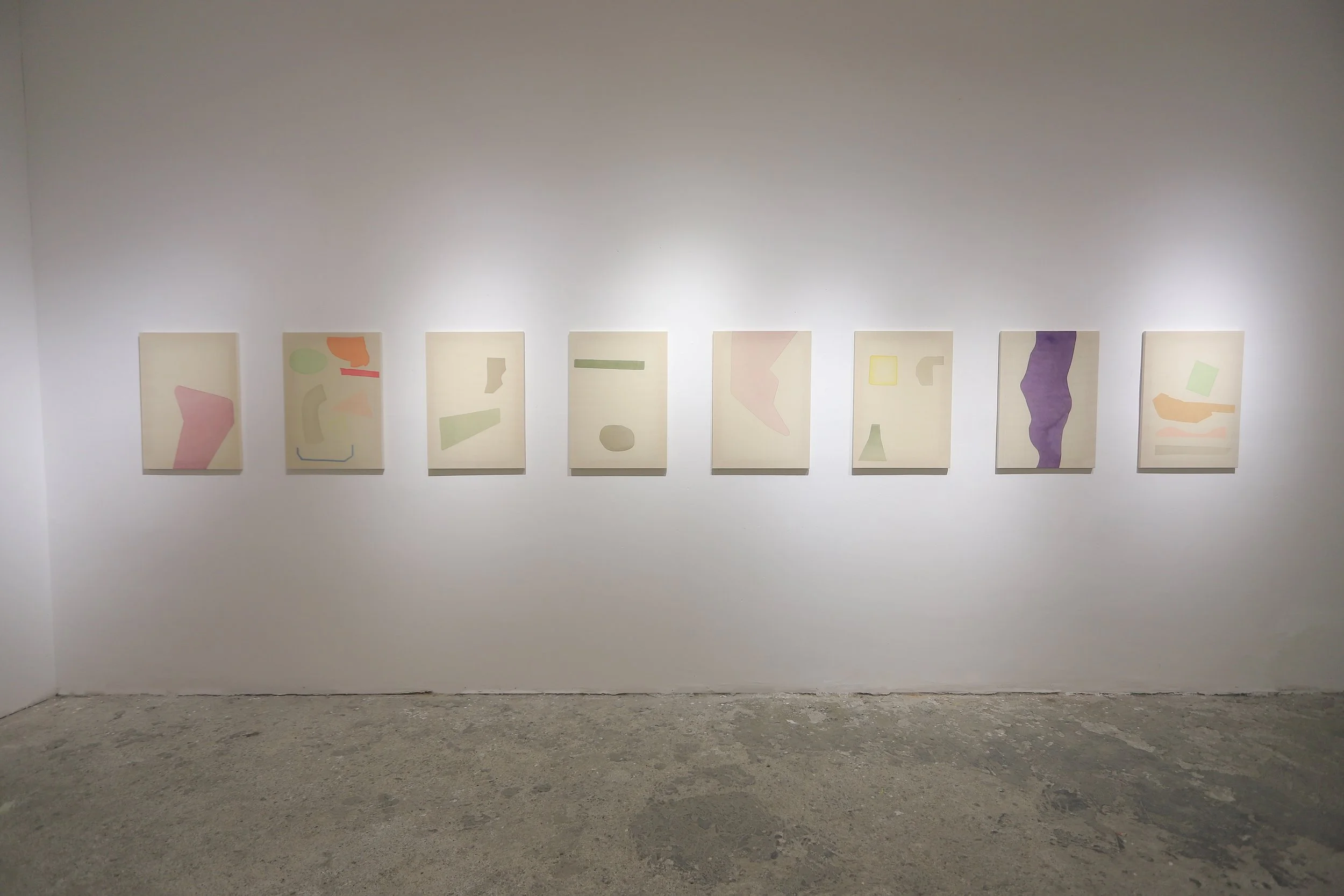
New World emerged from a process of radical reduction in which representational form was gradually removed, allowing color to become the primary constructive element of the image. Within this framework, painting shifted from describing reality to constructing spatial relations through chromatic fields.
These fields of color began to resemble fragments of maps—abstract territories whose shapes evoked the visual language of geopolitical borders. What initially appeared as painterly abstraction gradually acquired a cartographic resonance, suggesting landscapes in the process of being reorganized. In this sense, the work anticipated a condition that has since become increasingly visible: the recomposition of political territories and the emergence of new global alignments.
Rather than functioning as a retreat into formalism, abstraction here became a speculative tool through which painting could reflect on the forces that continually reshape the world—political, ecological, and technological. The chromatic territories can be understood as provisional spaces, unstable surfaces where borders shift and relationships between regions are renegotiated.
Conceptually, the project drew from the immersive spatial sensibility of Color Field painting and the constructive ambitions of Russian Constructivism, particularly its vision of rebuilding reality through new visual languages. By placing these paradigms into dialogue, New World explored the possibility that visual form can participate in imagining alternative structures of space and coexistence.
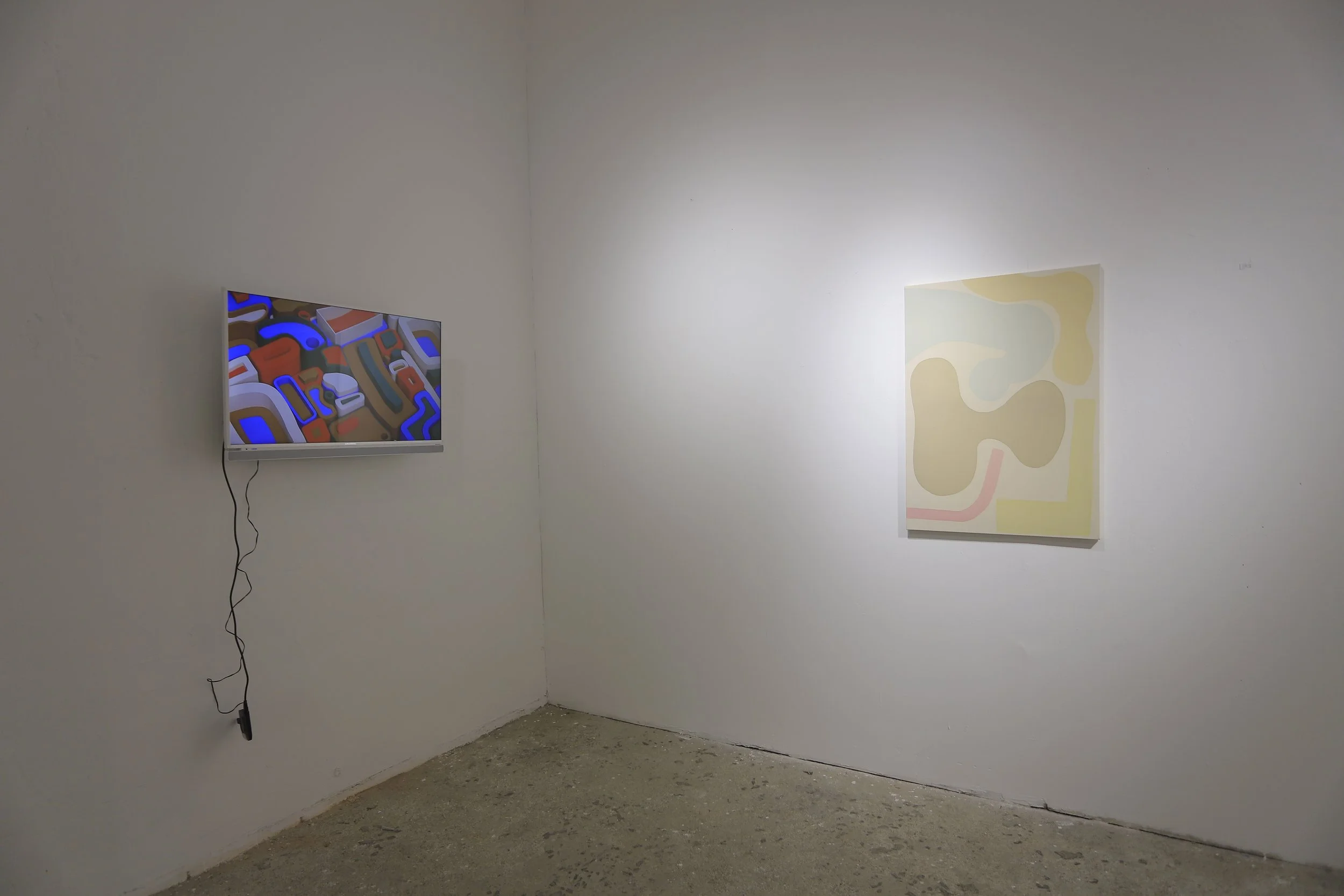
Developed in the aftermath of the COVID-19 pandemic, the exhibition also reflected a broader historical moment marked by uncertainty and transformation. In its later phase, the project extended into 3D animation, translating these chromatic territories into digital space and opening a new dimension of movement, transformation, and speculative geography.
New World thus proposes painting as a site where images can function simultaneously as abstract compositions and as projections of possible worlds—spaces where the visual language of color becomes a means of thinking about territory, crisis, and the continual reshaping of the global landscape.